
Top Trends Shaping Monochrome LCD Display Technology in 2026
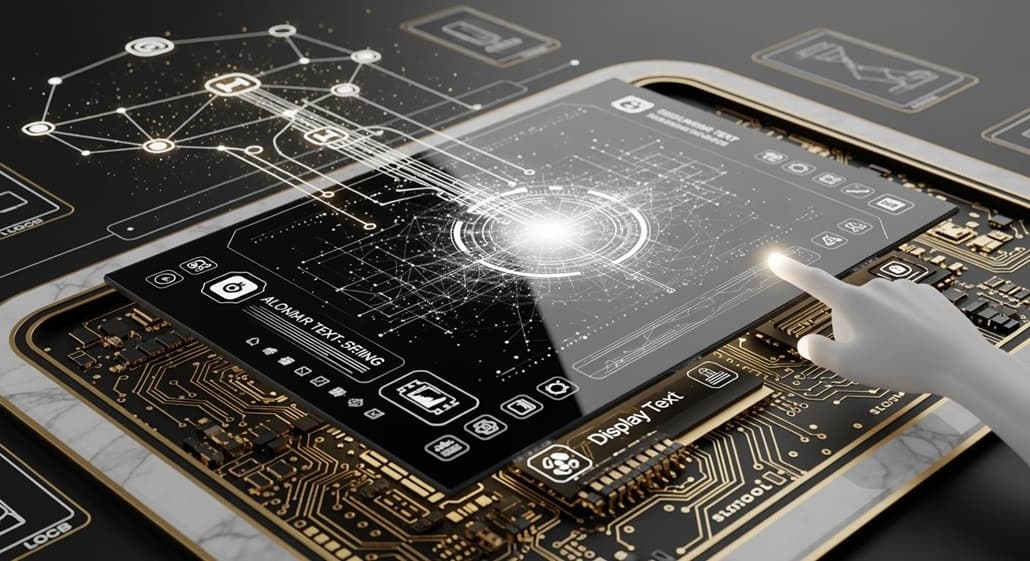
You see the monochrome LCD display market growing fast. New trends are changing the future. The market is worth $1 billion now. It may go over $1.8 billion by 2033. Technology is getting better with TN and VA panels. Flexible displays and transparent screens also help this change. Displays are getting smaller. IoT integration puts displays in more devices. Many people want tough, low-power displays. Some users are starting to pick color displays instead of monochrome.
|
Technology Type |
Description |
|---|---|
|
TN (Twisted Nematic) |
Makes response times faster and colors look better. |
|
VA (Vertical Alignment) |
Gives better contrast and lets you see from more angles. |
|
Flexible Displays |
Can bend and fit many shapes, so you can use them more places. |
|
Transparent Displays |
You can see through these screens, so you can use them in new ways. |
Monochrome LCD displays will grow from $1 billion to over $1.8 billion by 2033. This is because TN and VA panel technologies are getting better.
Flexible and see-through displays are changing the market. They let people use new ideas in wearables and stores. These displays also make using devices more fun.
Making displays smaller and adding IoT are big trends. This helps put small, energy-saving displays in many things, like smart meters and medical tools.
Tough and low-power monochrome displays are important for factories and outside use. They last a long time and save energy, which people want.
The market is getting bigger because more people want cheap monochrome displays. These displays last longer and work better than color ones.
TN and VA panels are very important in the monochrome LCD display market. TN panels are fast and cost less. VA panels show better contrast and wider viewing angles. VA panels are good when you need clear images from many sides.
Here is a simple comparison:
|
Feature |
TN Technology |
VA Technology |
|---|---|---|
|
Cost |
Cheapest option |
Usually costs more |
|
Refresh Rates |
Fastest refresh rates |
Fast, but not as quick as TN |
|
Viewing Angles |
Narrow (45-65 degrees) |
Wide viewing angles |
|
Color Reproduction |
Average colors |
Better colors and contrast |
|
Brightness |
Not very bright outside |
Less bright than TN |
TN panels are best for speed and saving money. VA panels are better for good picture quality and wide viewing. These trends help the market grow for both industry and home use.
Flexible and transparent displays are new and exciting in monochrome LCD technology. Screens can bend and fit many shapes now. This helps in wearables, smart labels, and curved dashboards. Transparent displays let you see digital content and real things at once. Stores use them to show products and information together.
Some new features are:
Direct imaging makes visuals brighter and clearer.
Less light loss gives you strong images.
High contrast ratios, up to 1200:1, show sharp details.
Screen sizes range from 15 to 86 inches.
Full transparency lets you make creative displays.
Casings can be acrylic or metal.
Touchscreen controls are optional.
You can use Android, Windows, or Linux.
WiFi lets you update content from far away.
Power use is about one-tenth of regular LCDs.
These new technologies help you make cool experiences and improve how customers interact. You also save energy, which helps the market and the planet.
Miniaturization is a big trend in monochrome LCD displays. Smaller screens fit into more devices, especially with IoT. You can use small, energy-saving screens in smart meters, medical tools, and portable devices. These screens use less power and are easy to read in different lights.
Miniaturization and IoT integration help the market in these ways:
Small displays save space and energy.
You can check data in real time on connected devices.
More devices need reliable, low-power screens as IoT grows.
Monochrome LCD displays are popular because they work well in bright or dim light.
Miniaturization lowers costs and makes batteries last longer. But making small displays with good quality is hard. Makers work to fix these problems and keep the market growing.
You need screens that last in tough places. Rugged industrial grade monochrome LCD display panels are made for this. They work well in factories, outside, and anywhere you need strong screens. These displays can be as bright as 1000 nits, so you can see them in sunlight.
Anti-glare monochrome LCD display panels use less power than color screens. They use passive matrix technology, so energy is used only when pixels change. Transflective technology uses light around you, so less backlighting is needed. This saves more energy and makes batteries last longer.
Here is a table showing the benefits:
|
Display Type |
Power Consumption |
Cost |
|---|---|---|
|
Monochrome LCD |
Lower |
Lower |
|
Color LCD |
Higher |
Higher |
|
Advantage |
Description |
|---|---|
|
Lower power consumption |
Uses less power for still images, which helps battery devices. |
|
Transflective technology |
Uses light around you to light the screen, saving energy in bright places. |
You can trust these rugged and low-power displays for industry, outside, and portable uses. These trends help the market grow by giving users what they need for strong and efficient screens.
The monochrome lcd display market is growing fast. More industries want these screens because they are reliable. Electronics companies use them in lots of devices. Car makers also need more Long-life monochrome LCD display products. The government gives money to help new projects. This makes the market grow even faster.
Here is a table that shows how much the market might grow:
|
Period |
Projected CAGR |
Notes |
|---|---|---|
|
2023–2026 |
N/A |
Growth trend suggested |
|
2023–2028 |
4.2% |
Steady growth for monochrome display market |
|
2026–2033 |
5.9% |
Robust future for monochrome lcd display market |
The market will keep getting bigger as more people use this technology. These trends mean the market will stay strong for a long time.
Monochrome lcd display products cost less than color displays. They last longer and do not need to be replaced as often. More people want monochrome screens, but color displays are not growing as much.
|
Aspect |
Monochrome LCD Displays |
Color Displays |
|---|---|---|
|
Production Costs |
Lower |
Higher |
|
Replacement Costs |
Reduced |
Higher |
|
Longevity |
High |
Moderate |
|
Market Demand |
Increasing |
Stable |
You save money when you pick monochrome lcd display solutions. That is why many industries like them. The market grows because they are cheaper, even though some people still want color screens.
There are some problems in the monochrome lcd display market. Supply chain issues can slow down making new screens and make them cost more. Some companies cannot make screens fast because of their buildings and machines. It costs a lot of money to start making these screens, so small companies have a hard time. It takes time for people to use new technology, so new products come out slowly. If companies cannot make enough screens, they cannot sell to everyone who wants them.
|
Challenge |
Impact on Market |
|---|---|
|
Infrastructure limitations |
Affects production efficiency and responsiveness. |
|
Supply chain complexity |
Leads to production delays and increased costs. |
|
High capital intensity |
Limits market entry and expansion for smaller firms. |
|
Technology adoption challenges |
Delays time-to-market and increases operational risks. |
|
Scalability issues |
Constrains ability to meet rising demand. |
There is also a lot of competition between companies. Some companies change prices to get more customers. Others make deals or buy lots of parts to save money. Some companies change their products to avoid extra taxes. These things change how much monochrome lcd display products cost and how easy they are to find. The market changes quickly, so you can get better prices and more choices.
Monochrome lcd display technology is important in factories and hospitals. These screens show clear data right away. You use them in blood analyzers and patient monitors. They are also in handheld ultrasound devices. Monochrome lcd display screens work well in tough places. They last longer and use less power. This helps portable devices work better. You can trust these screens for checking patients and doing surgery.
|
Application Type |
Revenue Share |
Estimated Revenue (USD) |
|---|---|---|
|
Diagnostic Imaging |
65% |
500 million |
|
Patient Monitoring and Critical Care |
20% |
154 million |
|
Surgical and Interventional Procedures |
10% |
77 million |
Monochrome lcd display screens show images with strong contrast. You can read them easily and there is less interference. These trends help new medical technology grow.
Monochrome lcd display screens help you watch machines in factories.
You see data and alerts fast.
These screens fight dust, shaking, and heat.
You get more safety and less downtime with strong screens.
Monochrome lcd display screens are in many home devices. Fitness trackers and smartwatches use these screens to save battery. You can see the screen well in different lights. Monochrome screens help you check steps and heart rate. You also see notifications. More people want wearable technology, so the market grows.
|
Feature |
Description |
|---|---|
|
Low Power Consumption |
Ideal for battery-powered devices like fitness trackers and smartwatches |
|
High Visibility |
Enhances usability in various lighting conditions |
|
Limitations |
Restricted visual display capabilities for advanced applications |
You see monochrome lcd display screens in calculators and remote controls. They are also in simple gadgets. These screens make devices last longer and cost less. You get easy-to-read screens and good performance.
Cars use monochrome lcd display screens in dashboards and panels. Electric cars and smart cars need screens that use little power. Monochrome screens show fuel, speed, and directions with strong contrast. You can read them fast, even in sunlight. These screens use less than 0.5W, which helps cars with small batteries.
Monochrome lcd display screens do not burn in or lose pixels.
You get clear info and better touch feedback.
More industries use monochrome technology, so the market grows.
Health and green trends help new uses for these screens.
Monochrome lcd display screens are now in smart appliances and industrial IoT devices. These screens help you get safe and reliable data. The market gets bigger as people want stronger and more efficient screens.
Big changes are happening in the monochrome lcd display market. Manufacturers and suppliers must follow new trends and technology. They work hard to make displays use less energy. Smarter power use is important now. More custom solutions and flexible designs are coming. Touch integration and higher resolutions are also important. These changes help you get better products. The market grows because of these improvements.
|
Trend |
Description |
|---|---|
|
Energy Efficiency |
Better backlight designs and power management lower energy use. |
|
Customization |
New features and materials make displays for special needs. |
|
Flexible Designs |
New materials let displays bend for unique uses. |
|
Touch Integration |
Touch layers make displays interactive for many products. |
|
Higher Resolutions |
More pixels give sharper images and keep costs low. |
You get new benefits from monochrome lcd display technology. These displays show high contrast and clear visibility in many places. Devices last longer because they use less power. Monochrome displays work well in tough places and last longer. Higher resolution and pixel density make images sharper and easier to read. These improvements help the market grow and build trust in the technology.
|
Benefit |
Description |
|---|---|
|
High Contrast and Visibility |
Easy to see in bright or dim light, good for industry and medical uses. |
|
Low Power Consumption |
Longer battery life in portable devices. |
|
Durability and Reliability |
Works in harsh conditions, so you can depend on them. |
|
Higher Resolution and Pixel Density |
Sharper images for better reading and viewing. |
The monochrome lcd display market is moving toward eco-friendly development. Companies follow ESG principles now. They use less energy and safer materials when making displays. More products are made to last longer and be easier to recycle. These changes help global sustainability goals and meet the needs of people who care about the environment. New design and manufacturing ideas help reduce waste and support responsible market growth.
The market for monochrome displays is growing in many places. Asia-Pacific is the leader because it has many factories and electronics companies. China, Japan, and South Korea make lots of these products. North America is also growing fast. The United States uses monochrome displays in hospitals and factories. Europe has steady demand, especially in Germany and the UK.
Note: Asia-Pacific has the biggest market share because it makes many displays and uses new technology.
Each region has its own focus. Asia-Pacific wants to make displays cheaper and faster. North America spends money on new technology for healthcare and smart devices. Europe cares about quality and eco-friendly products. These differences help the market grow in different ways.
There are many types of monochrome displays in the market. The most common are TN and VA panels. TN panels are fast. VA panels have better contrast and wider viewing angles. Some displays are flexible or transparent. This lets you use them in new places.
Here is a table to compare the main product types:
|
Product Type |
Key Feature |
Main Use |
|---|---|---|
|
TN Panel |
Fast response |
Wearables, gadgets |
|
VA Panel |
High contrast |
Medical, automotive |
|
Flexible Display |
Bendable |
Smart labels, IoT |
|
Transparent Display |
See-through |
Retail, signage |
You should know about standards. Many companies follow ISO and RoHS rules. These rules make sure displays are safe and high quality. Standards help the market by building trust and making products last longer.
The market for monochrome displays keeps changing. New trends and technology push the market forward. You will see more choices and better products as the market grows.
The monochrome lcd display market will change a lot soon. New trends are making the market grow. You will see more displays that cost less to make. This means they can be used in places where price matters. Many companies pick monochrome displays because they last a long time. These displays work well in hard conditions.
Miniaturization is a big trend for the future. Smaller displays will be in more devices. You will find them in smart meters, wearables, and medical tools. Power efficiency will get better too. Devices with batteries will last longer because these displays use less energy.
Here is a table that lists the main chances for the market:
|
Opportunity |
Description |
|---|---|
|
Cost-effectiveness |
Cheaper to make, good for places where price is important |
|
Robustness and Durability |
Works well in tough places, liked by many industries |
|
Miniaturization |
Smaller displays fit more devices |
|
Improved Power Efficiency |
Batteries last longer in portable devices |
|
Growth Catalysts |
High need in factories and hospitals |
The market looks good for the future. More industries want strong and efficient displays, so the outlook is bright.
There are some risks for the future of monochrome display technology. What people want can change fast. If people want new screens, they may buy fewer monochrome displays. The price of materials can go up or down, which makes planning hard.
Rules for safety and the environment might change. New rules can make it harder to sell displays. Problems in factories or with shipping can slow down making displays. New technology could also hurt the market. If a better display comes out, it could replace monochrome displays.
Here is a table that shows the main risks for the future:
|
Risk Type |
Description |
|---|---|
|
Demand Uncertainty |
Changes in what people want can change sales |
|
Pricing Volatility |
Material prices and competition can change costs |
|
Regulatory Risk |
New rules can make displays cost more or limit sales |
|
Operational Risk |
Factory or shipping problems can cause delays |
|
Technology Disruption |
New displays can make old ones less popular |
|
Investment Exposure |
High costs are risky if people stop buying |
|
Macroeconomic Pressure |
Big economic changes can affect spending and investment |
You can get ready for these risks by watching trends and using new technology. Try to make displays that last longer and use less power. This will help you stay strong in the market and have a good future.
The monochrome lcd display market is growing quickly. New trends are making big changes. Technology is getting better all the time. Many industries use these displays in new ways. You can stay ahead by doing a few things:
Keep an eye on how much of the market you have.
Look at what other companies are doing and compare your products.
Check your products often to find new ideas.
Watch your money and be ready to change fast.
These steps help you get ready for new changes. They also keep your business strong.
The monochrome lcd display market is growing fast. Many industries want screens that work well and last long. People need tough devices and displays that save energy. New uses in hospitals and factories help the market get bigger. Studies show these things make the market grow quickly.
Energy-efficient solutions help by using less power. This makes devices last longer. The monochrome lcd monitors market uses these ideas to make displays better. You save energy and spend less money in many ways.
Research and development help make products better. Companies use research to add new features and improve quality. The market grows when new technology and better displays come out.
There are new chances in smart devices, wearables, and car displays. The market gets bigger as more places use these screens. Research shows new areas need strong and reliable displays.
You can stay ahead by following new research and trends. It helps to use new technology and focus on what customers want. Companies that keep improving do well in the market.
Floor 3, Factory Building D, No.10 Xingye Second Road, Fenghuang Community, Fuyong Street, Bao 'an District, Shenzhen, Guangdong Province, China.
Please read on, stay posted, subscribe, and we welcome you to tell us what you think.


Friendly Links:
Copyright 2026 @ Shenzhen Golden Vision Optoelectronic CO., Limited. .All Rights Reserved.Sitemap | Blog | XML | Privacy Policy
 Network Supported