
Tips for Integrating Monochrome LCD Displays into Low Power Devices
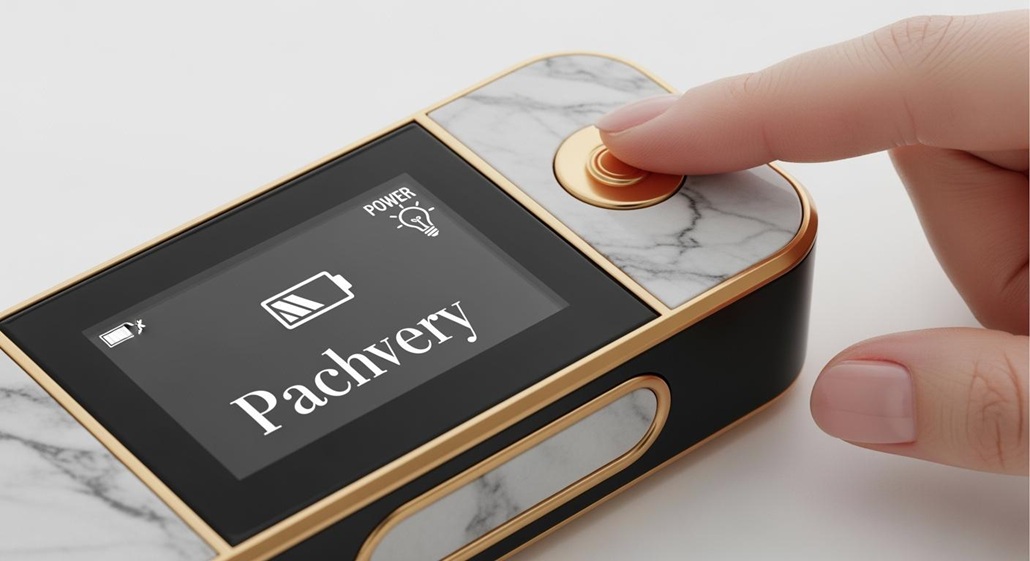
You can make your device use less power by picking the right Monochrome LCD Display and using smart ways to run it. Golden Vision's monochrome LCD display modules need less energy than color screens. This helps your battery last longer. If you choose the best display and use good driving methods, you use less energy but still get good display performance. Many people like monochrome screens because they are easier to read in sunlight and help support green technology.
You want your device to last longer on one charge. Saving power is important for low power devices. Picking a monochrome lcd display helps your device use less energy. Monochrome screens are good for saving power because they use reflective modes. This lets the display use light around it instead of a backlight. Using ambient light saves energy. These displays also work with lower voltage, so your battery lasts longer. If your device shows the same image for a while, a monochrome lcd display uses very little power. You can change the refresh rate to save even more energy. These choices help your battery last longer and make your device more dependable.
Here is a table that shows how monochrome lcd displays help save power:
|
Feature |
Description |
|---|---|
|
Reflective Modes |
Uses light from the area, so it needs less or no backlight |
|
Voltage Operation |
Works with lower voltage, great for devices with batteries |
|
Static Content Efficiency |
Uses little energy when showing the same picture |
|
Ambient Light Modulation |
Changes light from around it, does not make its own light |
|
Battery Life Extension |
Lower refresh rates use less energy and make batteries last longer |
You want your device to be simple to use and easy to read. Monochrome lcd displays are clear, even in bright sunlight. This makes it easy for people to see information without hurting their eyes. Using less power means your device stays on longer, so people do not need to charge it often. When you save power, your device stays cool and safe. People have a better time using your device because the display works well in many kinds of light. You can make devices that are reliable and good for the environment. Using monochrome displays in the right way helps save power and makes your product special.
Tip: If you pick a monochrome lcd display, you can save power and keep the screen easy to see. This helps you make devices that last longer and work well for everyone.
You must pick the best lcd type for your device. Each type helps save power and makes the screen easy to see. Reflective displays use light around you. You can see the screen well outside. These displays do not need a backlight, so they save energy. Transflective displays mix reflective and backlit features. They work well in bright and dark places. Backlight monochrome LCD displays make their own light. These are good in dark spots but use more power.
Here is a table that shows how different things change how easy it is to read and how much power is used:
|
Factor |
Impact on Readability |
Impact on Power Consumption |
|---|---|---|
|
Monochrome Displays |
High contrast makes it easy to see outside |
Usually uses less power |
|
Brightness Increase |
Makes the screen easier to see |
Uses more battery power |
|
Positive Mode Displays |
Works great in sunlight |
Saves power with two ways to show images |
|
Touch Panels |
Can make the screen less bright |
Needs more power to keep brightness |
Tip: If you want your device to work well outside, pick a reflective or positive mode monochrome lcd display. You save energy and get clear images.
You should choose the display type that fits your device. Monochrome lcd screens are used in medical devices, smartwatches, and industrial sensors. Each device needs something special. Medical devices need to be easy to read and work well. Smartwatches need to save power and be easy to see. Industrial sensors need to last long and show clear images.
|
Application |
Key Requirements |
|---|---|
|
Medical Devices |
Easy to read, works well, simple to use |
|
Smartwatches |
Saves power, easy to see |
|
Industrial Sensors |
Lasts long, easy to read, works well |
When you pick a display, think about size and resolution. How much you want to show and the space in your device matter. If you only show simple things, use a small screen. If you show lots of words or pictures, use a bigger screen.
Think about the size and resolution for your device.
Small, clear screens are good for things you hold.
Big control panels need wide screens.
The resolution should match what you show. Simple screens do not need lots of pixels. If you show menus or lots of data, more pixels help people see better.
Note: Picking the right monochrome display for your device helps you save power and gives users a good experience. You get the best results when you focus on what your device needs.
You can help your device use less energy by using smart ways to run your high contrast monochrome LCD display. These methods help you save power and make your device last longer. You get better battery life when you use the right techniques.
You can change the refresh rate to fit what your device shows. If your screen does not change much, you can lower the refresh rate. This helps save energy and makes your battery last longer. You can also change the duty cycle. The duty cycle is how long the display stays on each time. If you make the duty cycle lower, you use less power. You keep the screen easy to read and save energy too.
Here is a table that shows some ways to run your display and what they do:
|
Technique |
Description |
Benefits |
|---|---|---|
|
Adaptive Refresh Rates |
Change refresh rates for different pictures. |
Saves power when showing the same image. |
|
Power-Saving Modes |
Built-in settings that help use less power. |
Makes batteries last longer and keeps features. |
|
Low-Power Display Drivers |
Use special parts to use less power. |
Good signal control and saves energy. |
Tip: Lowering refresh rate and duty cycle helps you save energy and keep your display looking good.
You can lower the drive voltage to help your device use less power. Most monochrome lcd displays work well at 5 volts. You can use 3.3 volts to save even more energy. You should check the display when you lower the voltage. Sometimes, the screen looks dim if the voltage is too low. You need to find the best spot between saving energy and having a clear screen.
Here is a table that shows how drive voltage changes power use and display quality:
|
Drive Voltage (V) |
Power Consumption Reduction (%) |
Display Quality Impact |
|---|---|---|
|
5 |
0 |
Best |
|
3.3 |
~44 |
Might look dim |
Note: Test your lcd at different voltages. Pick the lowest voltage that still looks bright and clear.
You can pick a low power lcd controller to help your device use less energy. These controllers help you save power and make your device work better. Some controllers are easy to see in sunlight and have good resolution. You can find controllers that fit your device and your budget.
Here is a table with some popular low-power lcd controllers:
|
Part Number |
Diagonal Dimension |
Colors |
Sunlight Readable |
Resolution |
Price Range |
|---|---|---|---|---|---|
|
CFAG12864T3-NFH |
1.15" |
Dark on Light Gray |
Yes |
128x64 |
$5.37 - $7.68 |
|
CFAG12864U3-NFH |
2.23" |
Dark on Light Gray |
Yes |
128x64 |
$8.39 - $12.02 |
|
CFAG4265A0-TFK |
1.00" |
Dark on White |
Yes |
42x65 |
$4.95 - $5.69 |
Tip: Choose a controller that fits your device. You get better battery life and save energy with the right controller.
You can use these smart ways to help your device work better. You save energy, make your battery last longer, and keep your monochrome lcd display easy to read. Good power management helps you build devices that last and use less energy.
You can save power by using smart backlight methods. Dimming lets you make your lcd less bright when you do not need it. This helps you use less energy and makes your device last longer. Adaptive control changes the backlight based on what is on the screen. Content Adaptive Backlight Control (CABC) sets the brightness for each image or text. If your monochrome lcd display shows a simple picture, CABC makes the light lower. When you need to see more details, it makes the screen brighter. This technology can save you 20-40% energy. You get better efficiency and your device uses less battery. You do not waste power by keeping the screen too bright.
Here are some ways adaptive control helps you:
Changes brightness for different things on the screen
Saves battery by lowering light you do not need
Keeps the screen easy to read in many places
Tip: Try adaptive backlight control to help your device work better. You use less lcd power and your device stays reliable.
You can save more energy by turning off the screen when you are not using it. Many devices have power saving modes that shut off the backlight after a short time. You can set a timer so the lcd turns off when not used. This helps you reach your low power goals. Sleep modes also cut power to the display. Your device wakes up fast when you need it again. These ideas help you get the best battery life.
|
Strategy |
How It Works |
Benefit |
|---|---|---|
|
Auto Screen-Off |
Turns off display after idle time |
Saves energy |
|
Sleep Mode |
Cuts power to lcd when not in use |
Extends battery life |
|
Quick Wake-Up |
Restores display fast |
Improves user experience |
Note: Use screen-off and sleep modes to save more energy. Your device stays efficient and ready to use.
You must connect your monochrome lcd to the microcontroller carefully. Good connections help your device work well and save power. Many people use microcontrollers like STM32 for lcds. Match the display type to your system’s voltage. TN displays need more voltage. STN displays need less voltage and show better contrast. You can pick displays like Nokia 5110 for very low power. Small monochrome OLEDs are bright and fit in tight spaces.
|
Display Type |
Voltage Requirement |
Advantages |
|---|---|---|
|
TN |
Higher voltage |
Basic technology |
|
STN |
Lower voltage |
Better contrast, faster refresh |
Set up command logic so the lcd only updates when needed. This helps save power and keeps your device working well.
You can choose different ways to connect your lcd. SPI and I2C are good for low power devices. SPI uses more wires but sends data faster. I2C uses fewer wires and saves space on your board. Both can help save power if set up right.
|
Feature |
I2C |
SPI |
|---|---|---|
|
Wires |
2 (SCL, SDA) |
4 (SCLK, MOSI, MISO, CS) |
|
Data Speed |
100 kbps – 400 kbps |
Up to 10+ Mbps |
|
Duplex Mode |
Half-duplex |
Full-duplex |
|
Pin Efficiency |
High |
Moderate |
Use I2C for simple screens. Use SPI for faster updates. Parallel interfaces use more pins and more power, so try not to use them.
You need a good power supply to keep your lcd working with little energy. Supercapacitors store energy and help your device run on low power. If voltage drops, your system can go into deep sleep mode. This saves power when the device is not being used. Even when working, you can reach very low current, like 11.4 micro-amps.
Supercapacitors store energy for quick use.
Deep sleep mode saves power when the device is idle.
Low current use keeps your device efficient.
Pick microcontrollers with low-power designs for better efficiency. These are best for portable devices. High-performance designs give more speed but use more energy.
|
Architecture Type |
Power Efficiency Impact |
Use Case |
|---|---|---|
|
Low-Power Architectures |
Save energy, great for battery-powered devices |
Good for portable devices with less speed |
|
High-Performance Architectures |
Fast processing and many features |
Best for displays with lots of graphics, but use more power |
Tip: Use sleep modes and smart power supply design to help your monochrome lcd device last longer. You get better power management and save energy.
You should think about how heat and light affect your monochrome LCD display. Hot weather can make the screen less bright. It can also cause dead pixels. Your device might use more power and get warmer. Cold weather can make the display flicker. It may also start up slowly. These problems make your device hard to use in very hot or cold places.
Here is a table that shows how temperature changes your display:
|
Environmental Factor |
Impact on Performance |
Impact on Power Consumption |
|---|---|---|
|
High Temperature |
Screen gets dim, dead pixels appear |
Uses more power, gets hotter |
|
Low Temperature |
Flickers, slow to start |
N/A |
Light around your device also matters. Bright sunlight helps reflective displays work well. You do not need a backlight, so you save energy. In dark places, you need a backlight to see the screen. This uses more power.
Tip: Put your device where there is enough light. This helps your display stay clear and saves power.
You want your device to look good and not waste energy. You can change display settings to get the best results. Positive mode displays show dark letters on a light background. These are easy to read in bright light. They use less power because they use light around them. Negative mode displays show bright letters on a dark background. These need a backlight and use more energy.
Here is a table that compares display modes:
|
Display Mode |
Characteristics |
Power Consumption Impact |
|---|---|---|
|
Positive Mode |
Light background, dark letters, easy to read |
Uses less power, uses light around it |
|
Negative Mode |
Dark background, bright letters, high contrast |
Uses more power, needs backlight |
You can use these tips to save energy:
Use sleep or standby modes when you do not need the display.
Dim or turn off the backlight in bright places.
Pick a transflective display to use light around you.
Lowering the refresh rate helps too. The display updates less often, so it uses less power. This works best when you show the same picture for a long time.
You can balance how easy the screen is to see and how much power it uses. Pick the right display mode and change settings for your environment. Your monochrome LCD display will stay clear and use less energy.
You can make low-power devices work better by using these ideas. Pick a monochrome display that fits what you need. Try smart ways to run your display and set up your device to save energy.
Choose displays that are right for your device
Change how often the screen updates and lower voltage
Turn on sleep modes and use backlight that changes
Keep learning about how to use displays. You will build devices that last longer and work well almost anywhere.
You can make the refresh rate lower. Use reflective or transflective displays. These choices help you save energy. You can also dim the backlight. Turn off the backlight when you do not need it.
Yes, you can use them outside. Reflective monochrome LCDs work well in sunlight. The display uses light from around you. You see clear images without needing a backlight.
You can use SPI or I2C to connect. SPI sends data faster. I2C needs fewer wires. Both ways help you save power and space on your board.
Yes, temperature changes can affect your display. Hot weather can make the screen dim. Cold weather can cause slow starts or flicker. You should test your device in different temperatures.
|
Mode |
How It Looks |
Power Use |
|---|---|---|
|
Positive Mode |
Dark letters on light background |
Lower |
|
Negative Mode |
Light letters on dark background |
Higher |
Tip: Pick positive mode for saving power and easy reading in bright light.
Floor 3, Factory Building D, No.10 Xingye Second Road, Fenghuang Community, Fuyong Street, Bao 'an District, Shenzhen, Guangdong Province, China.
Please read on, stay posted, subscribe, and we welcome you to tell us what you think.


Friendly Links:
Copyright 2026 @ Shenzhen Golden Vision Optoelectronic CO., Limited. .All Rights Reserved.Sitemap | Blog | XML | Privacy Policy
 Network Supported